Let a thousand flowers bloom, so long as they are all red.
May 23, 2026
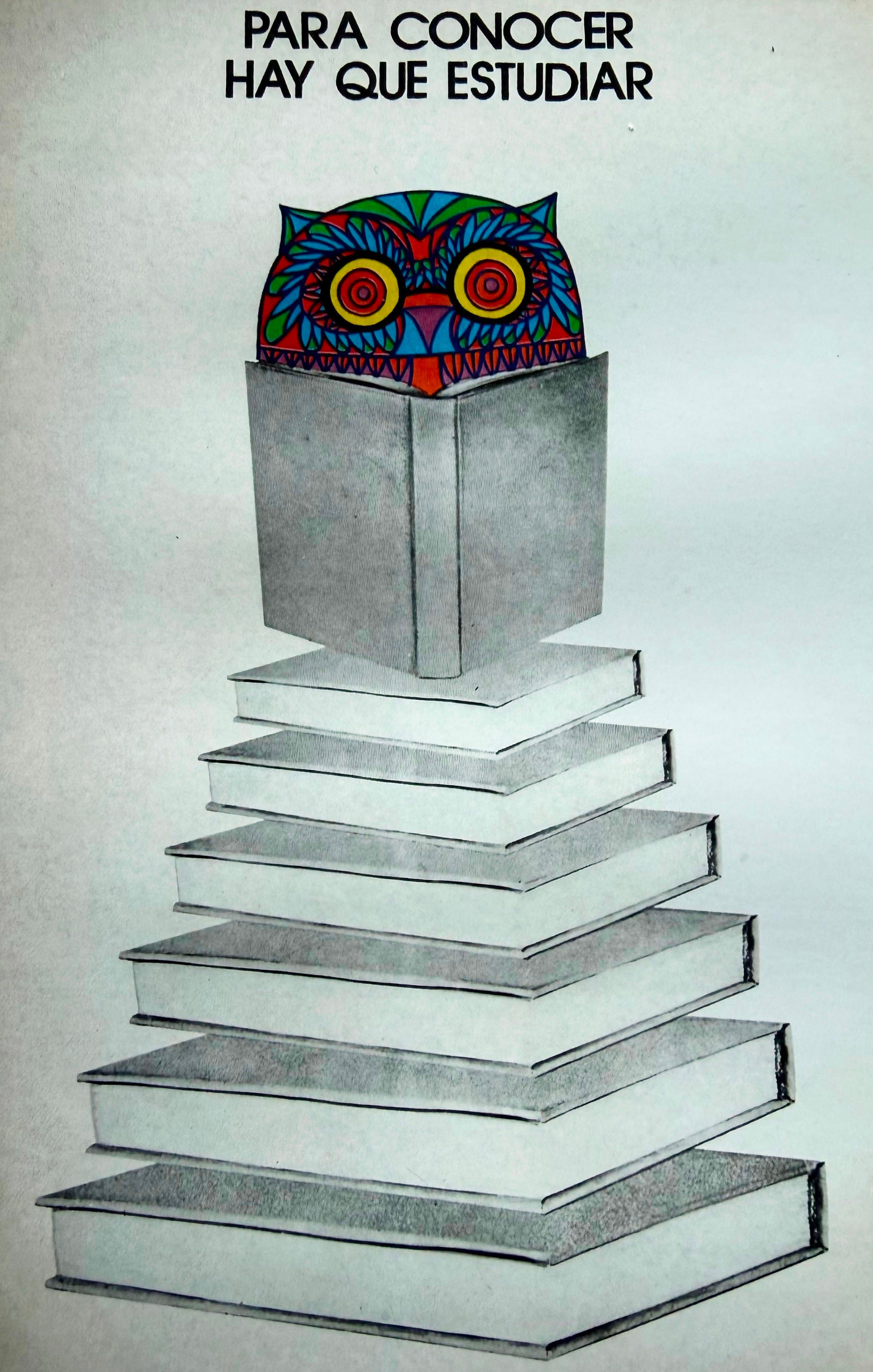
“To understand, one must study.” Daysi Garcia, DOR, 1984, Offset print, 62 x 84 cm.
This series looks at Cuban posters from the “revolutionary period” — the thirty years following the 1959 coup that deposed dictator Fulgensia Batista. In Part 3 of this series, we looked at Cuban posters about literacy, health, and the arts. We also began a discussion about political or didactic art — art in the service of a cause.1
After seizing power, Fidel Castro expropriated large landholdings and nationalized American industry, paying no compensation, thereby laying hold of enormous revenue streams, virtually overnight. Those resources fuelled agrarian reform — redistributing land to the impoverished peasants who worked as tenant farmers — and the establishment of socialist institutions to build literacy, health, education and cultural programs.
Cuba’s revolutionary government adopted the Soviet approach to economics, social programs, cultural production and education. “Ownership” was abolished and everything was centralized with specialized agencies to create and administer programs and organize the “workers.”
Left: Soviet socialist realism depicting the militaristic role of women, 1970-76. Right, Cuban advocacy for the role of women in the revolutionary struggle, 1969.
In the culture field, artists in all disciplines were enlisted, most willingly, to champion the cause of the revolution. On the other hand, many fled, unconvinced, aware of the oppression that follows communist dictatorship, or just worried about what an unelected, militaristic, socialist state was about to require of its citizens. They were not wrong to be concerned. As noted previously in this series, Castro famously pronounced (in 1961), “For the revolution, you can say anything, against the revolution, nothing.” Compliance was mandatory. Dissent was prohibited. Dissidents were treated harshly.
Let a thousand flowers bloom
Cuban posters of the revolutionary period are remarkable and unique for how they embed revolutionary ideology in contemporary design. Unlike the Soviet Union, where heavy-handed “socialist realism” disseminated state propaganda, artists in Cuba were, for the most part, already aligned with the causes of social justice and democracy. The state, rather than telling them what to do and how to promote the revolution, encouraged them to deploy the most modern, “progressive” vocabulary of graphic design.
Modernism in the arts, the quest for new forms to express the advancement of culture, was already well established in Cuba. And its proponents were generally liberal, educated in Marxist theory, critical of capitalism, and eager to pursue the egalitarian ideals of socialism.
All artistic disciplines were included, from low to high, local to international, from musica campesina (or música guajira)—folk music of the countryside—to ballet. Poster artists were encouraged to work in the most advanced styles, informed by the avant-gardes in America and Europe. Artists were supported as state employees, with generous supply budgets and free education. With their imaginations, artists celebrated the ideology of revolutionary Cuba with their designs.
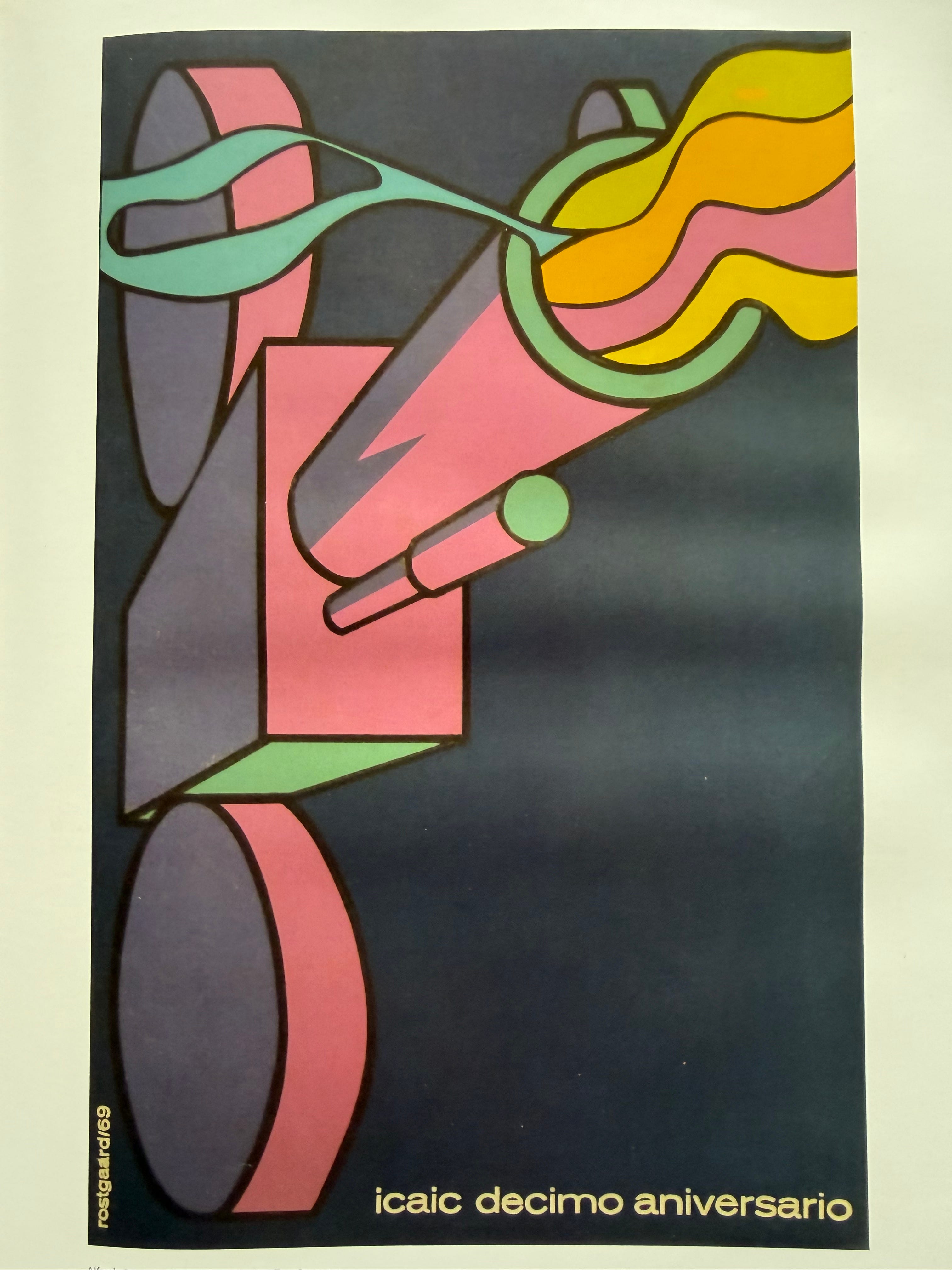
Film camera as smoking gun. “ICAIC 10th Anniversary,” Alfredo Rostgaard, ICAIC, 1969, Silkscreen print, 76 x 51 cm
The Golden Age of Cuban Cinema
“In the first days of 1959, the new government created a cinematographic department within the Dirección de Cultura del Ejército Rebelde (Culture Division of the Rebel Army), which sponsored the production of documentaries such as Esta tierra nuestra by Tomás Gutiérrez Alea, and La vivienda by Julio García Espinosa. This was the direct ancestor of what would eventually become the Instituto Cubano del Arte y la Industria Cinematográficos (ICAIC), which was founded in March as a result of the first culture law of the revolutionary government. Film, according to this law, is "the most powerful and provocative form of artistic expression, and the most direct and widespread vehicle for education and bringing ideas to the public."The ICAIC founded Cine Cubano in 1960. All production, distribution, and exhibition in the country were run by ICAIC by 1965. [T]he organization was pivotal in the development of Cuban cinema, which came to be identified with anti-imperialism and revolution.”2
Literacy
Not everything organized by the state was strictly political in motivation or content. Literacy, for example, was a priority, not necessarily in Marxist doctrine but in the very basics of reading, writing and arithmetic, as discussed earlier in the series, here.
But literacy also meant introducing the Cuban population, especially in rural areas, to the modern world. Film played an important part in this process:
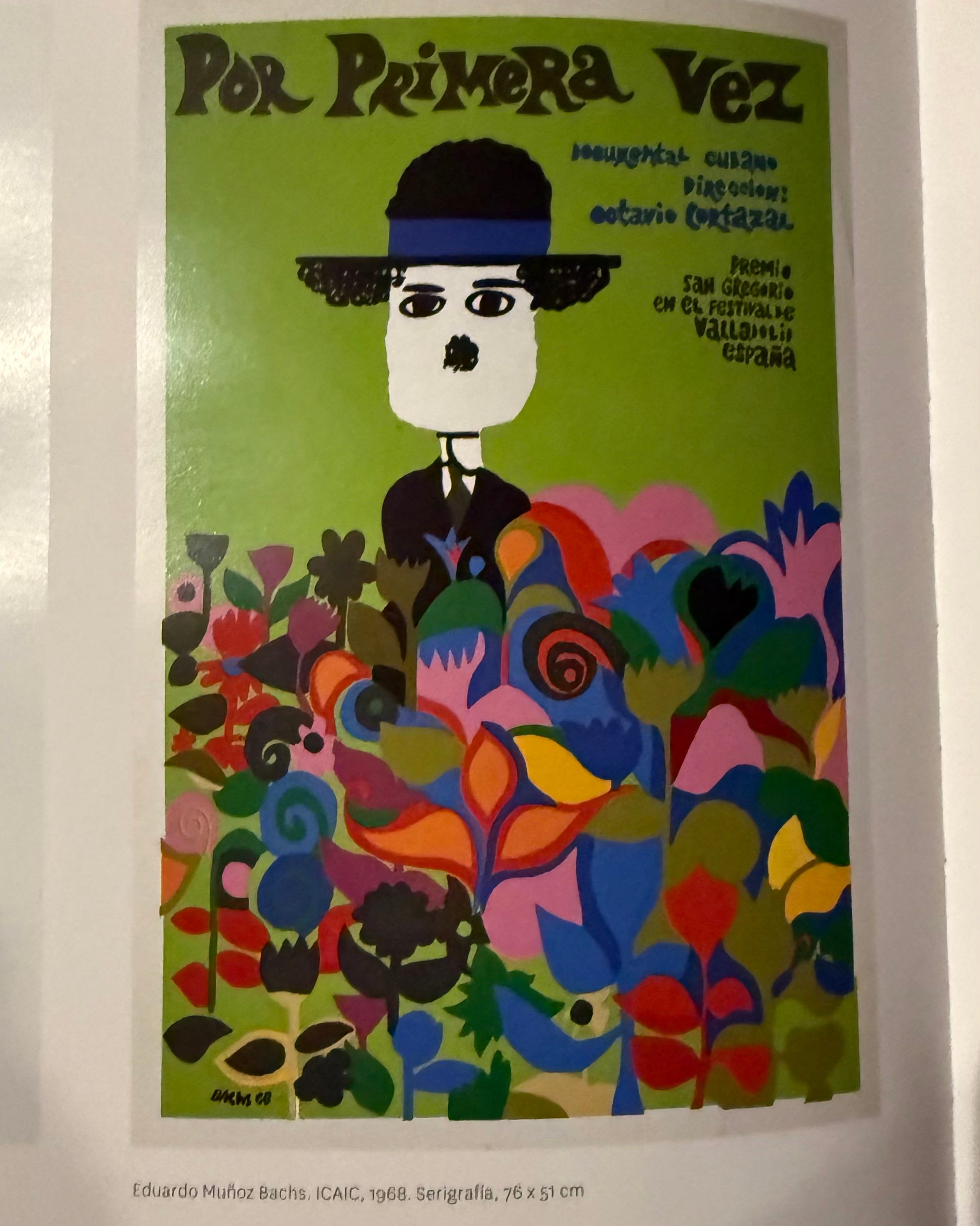
“Early in 1959, Castro appointed his long-time comrade Alfredo Guevara to develop and lead the Instituto Cubano del Arte e Industria Cinematográficos (ICAIC), which brought film to underserved regions. Much like OSPAAAL, the ICAIC promoted national identity by integrating popular culture into Cuban aesthetics. A lime-green poster at the Cuban Art Space by Eduardo Muñoz Bachs bears a monochromatic rendering of Charlie Chaplin amid a garden of colorful [sic] wildflowers. The title Por Primera Vez (For the First Time) alludes to a 1967 documentary showing the arrival of Modern Times by truck at Los Munos—the last Cuban village to first experience moving pictures.”3
“For the first time.” Eduardo Muñoz Bachs, ICAIC, 1968, Silkscreen print, 76 x 51 cm.
Of course, the Cuban story is not fully told by state-sponsored film. There have been many documentary films about the oppression of socialism in Cuba, both soft (surveillance, peer pressure) and hard (imprisonment, torture, executions). Here are just two of the very best ones:
Memorias del Subdesarrollo (1968): translated as Memories of Underdevelopment, this is widely considered one of the most important Cuban films of all time. Directed by Tomás Gutiérrez Alea, it explores the period immediately following the Revolution through the lens of an alienated, bourgeois intellectual who chooses to stay on the island.
Soy Cuba (1964): translated as I Am Cuba, this film is both a landmark of radical political cinema and one of the most visually ravishing films ever made. Available from Criterion, the film is likened to a fever dream of rebellion. Soviet director Mikhail Kalatozov’s I Am Cuba unfolds in four explosive vignettes that capture Cuban life on the brink of transformation, as crushing economic exploitation and inequality give way to a working-class uprising.
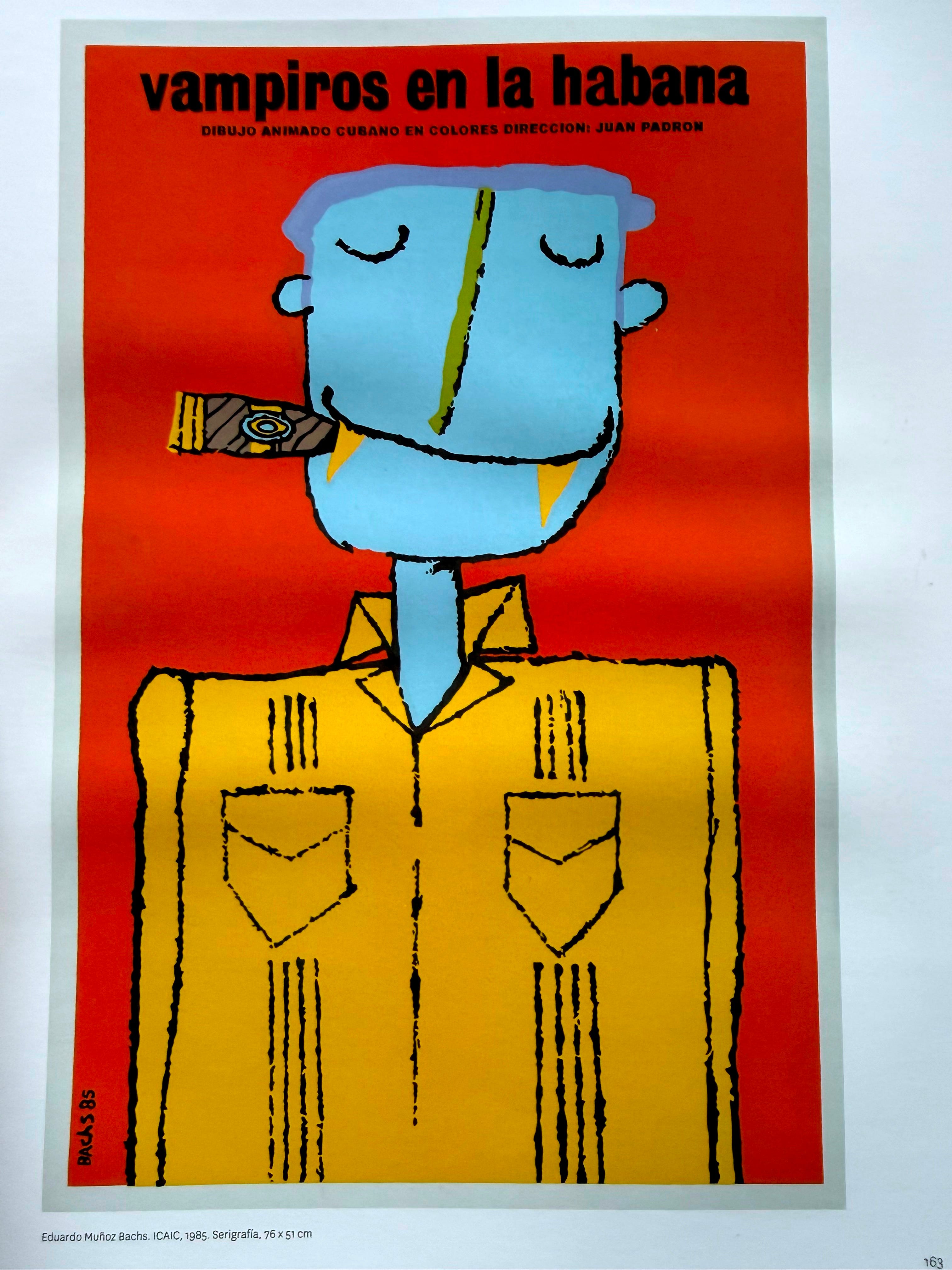
There are many other films to temper one’s enthusiasm for La Revolución, both documenting the atrocities committed in the name of social justice, and lighter parodies like Vampires In Havana.
Sport
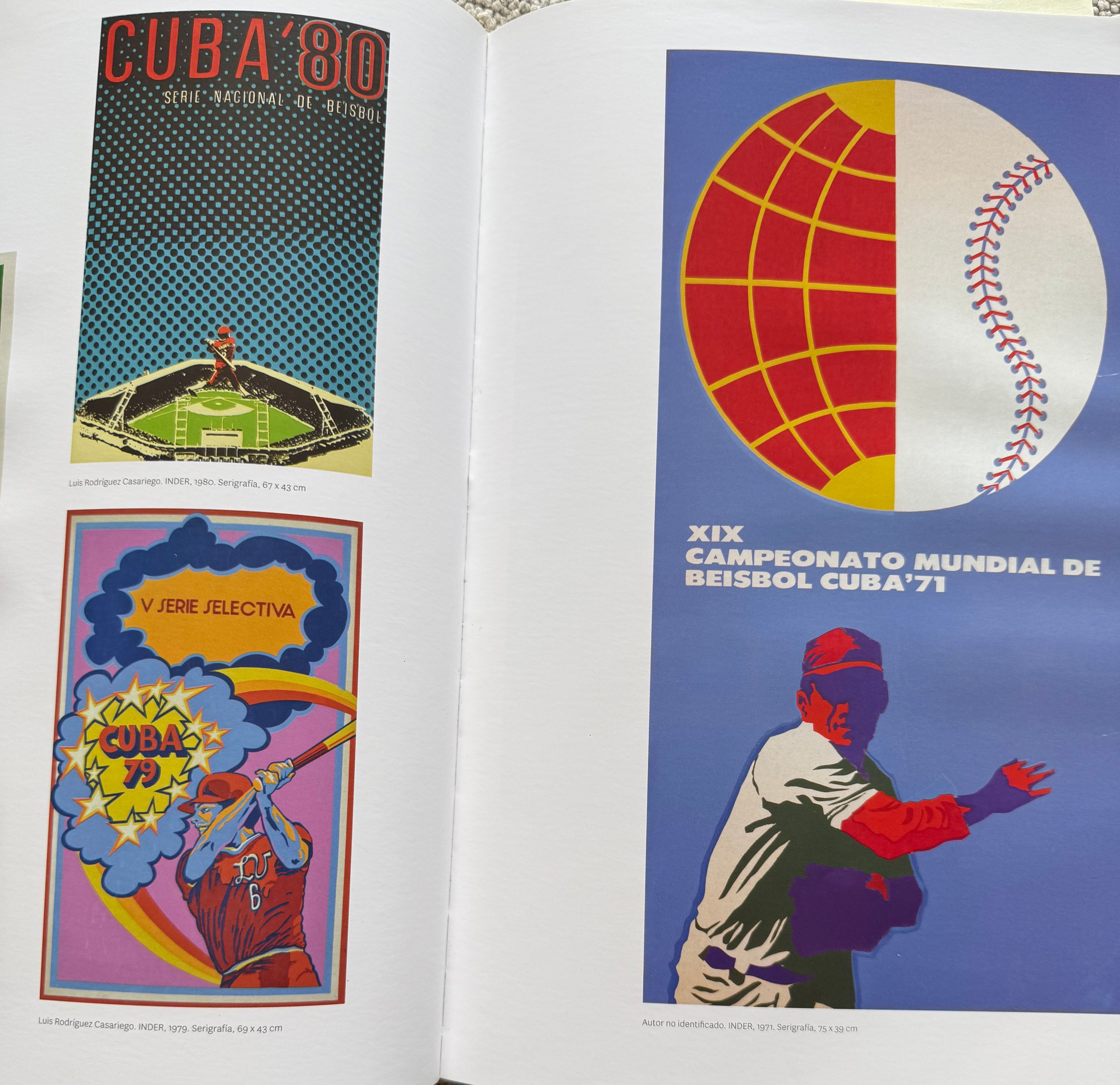
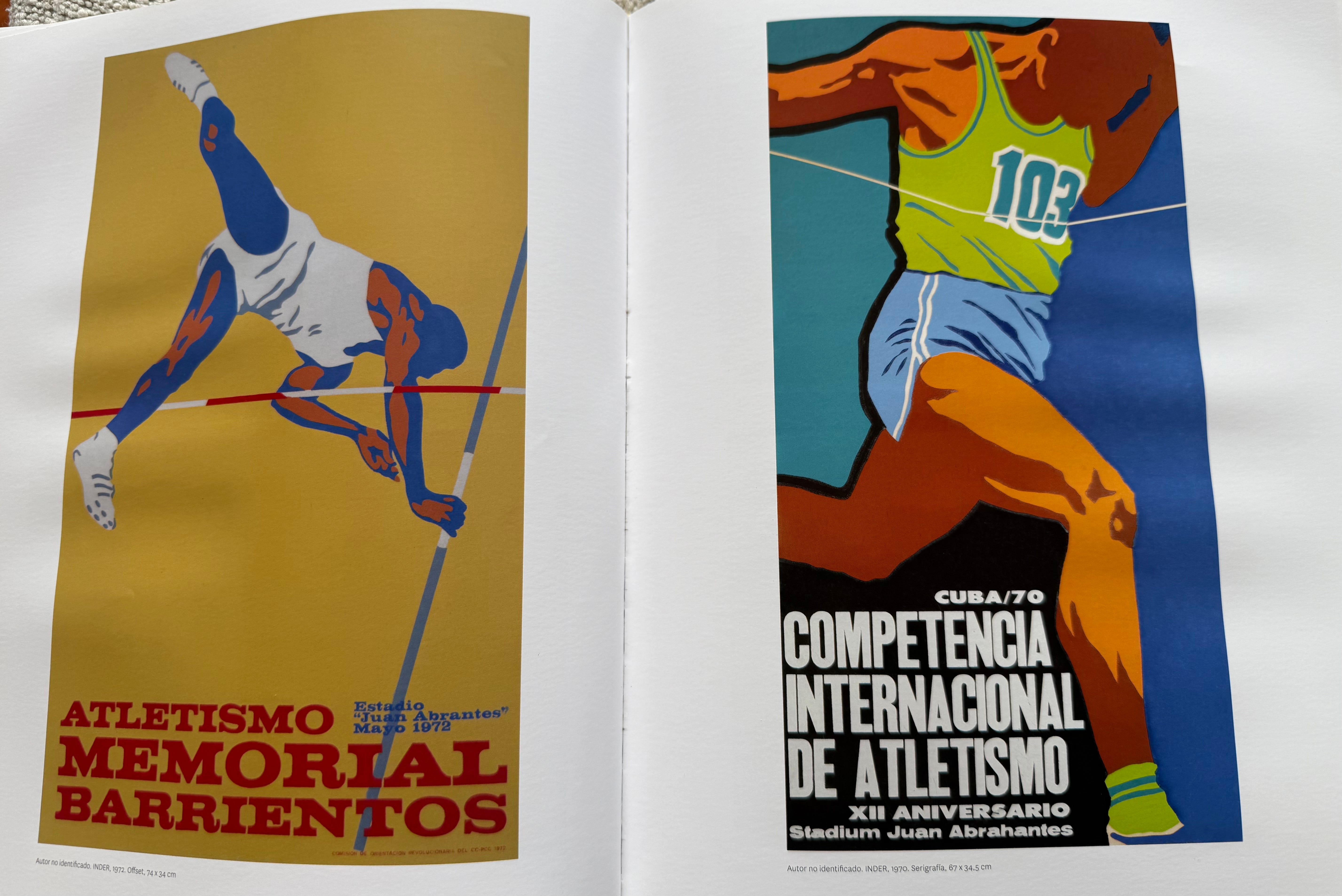
Cuba is still, after three decades of embargo, renowned for excellence in sports, particularly baseball and boxing. The explanation for this is revealed with bare statistics:
“The island nation [Cuba] supplies one sporting instructor for every 342 Cubans (for context, the United States has about one qualified fitness instructor for every 980 Americans), and the [Cuban] public has access to 11,523 sports centers [sic]. Two million Cubans have participated in thirty-eight sports in national and international competitions.” - in the Jacobin (2021).4
Castro himself is reputed to have been a very good athlete, excelling in basketball. He believed in athleticism, drawing comparisons with revolutionary activities . . . a game requiring strategic and tactical planning, and overall cunning, plus speed and agility, the true elements of guerrilla warfare.
For sport, as with the arts, the revolutionary government abolished the established infrastructure of elite-focused sport and replaced it with a state-run, open-to-all system designed to foster national pride, promote socialist ideology, and project power globally. It created an agency, INDER (Instituto Nacional de Deportes, Educación Física y Recreación de Cuba) in 1961, and within a few years Cuban athletes were competitive internationally, particularly in amateur boxing and baseball. INDER promoted mass participation while also managing high-performance athletes.
Dance
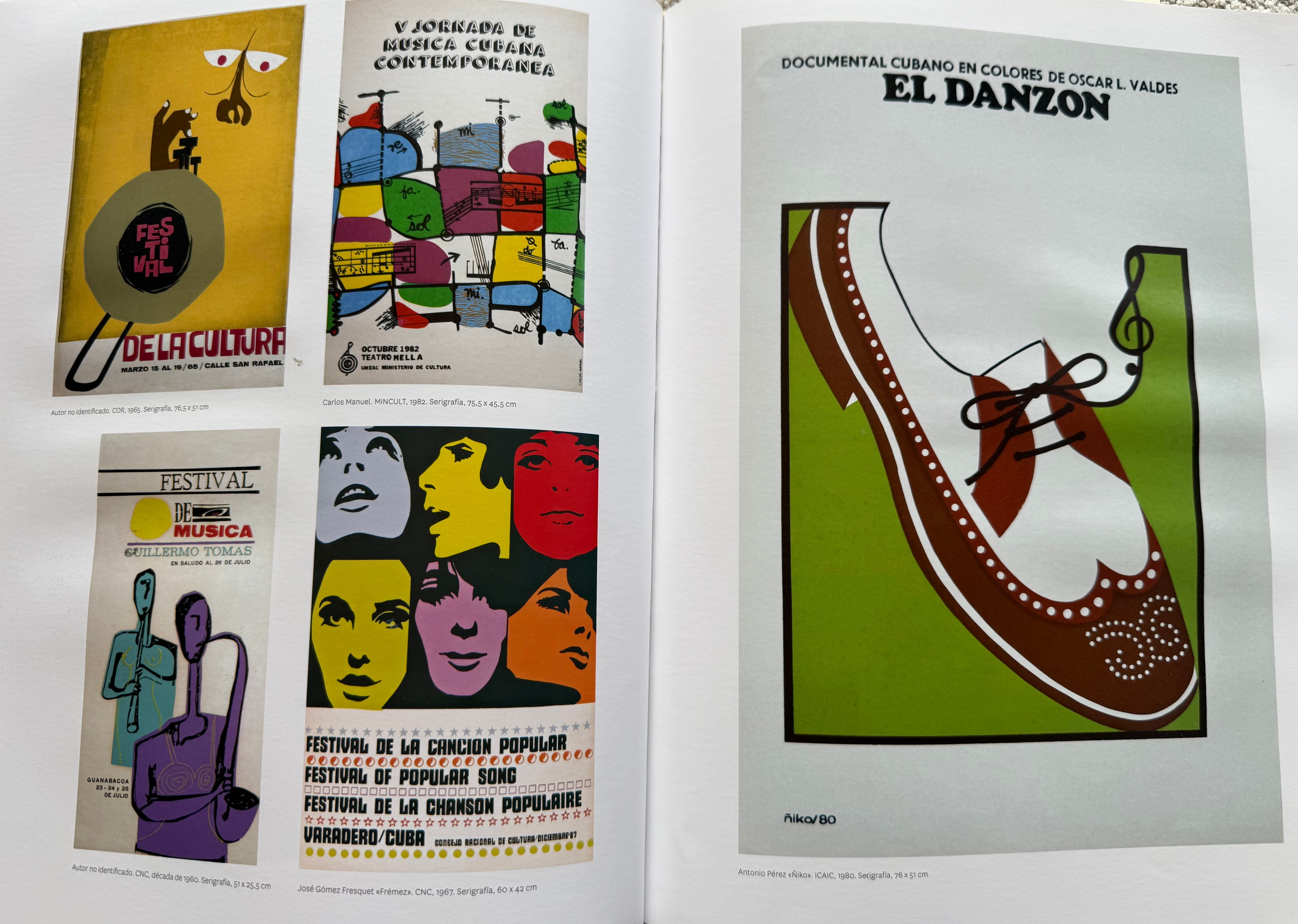
If you ask Google what the most important arts in Cuba are, it will say music and dance. This is something of a cliché, “the Latin love for rhythm and movement,” but there is also truth to it. Spanish and African cultures both are rich in percussive rhythmic music and dance. In Cuba, they were brought together.
Danzón is the official musical genre and dance of Cuba.The danzón evolved from the Cuban contradanza (also known as the habanera), which fuses European and African influences.5
By the mid-20th century, Danzón was evolving into new forms of music and dance that resonated far beyond Cuba’s shores. Mambo (which means “conversation with the gods”), named after a song written in 1938 by legendary brothers Orestes and Cachao Lopez, added African folk rhythms. The cha-cha-cha, named after a 1953 song by composer Enrique Jorrín, syncopated the fourth beat as dancers shuffled their feet to the scraping rhythm of the güiro. Salsa, which originated in New York City in the ‘70s, incorporated elements of swing dancing and The Hustle with these Afro-Caribbean styles.6
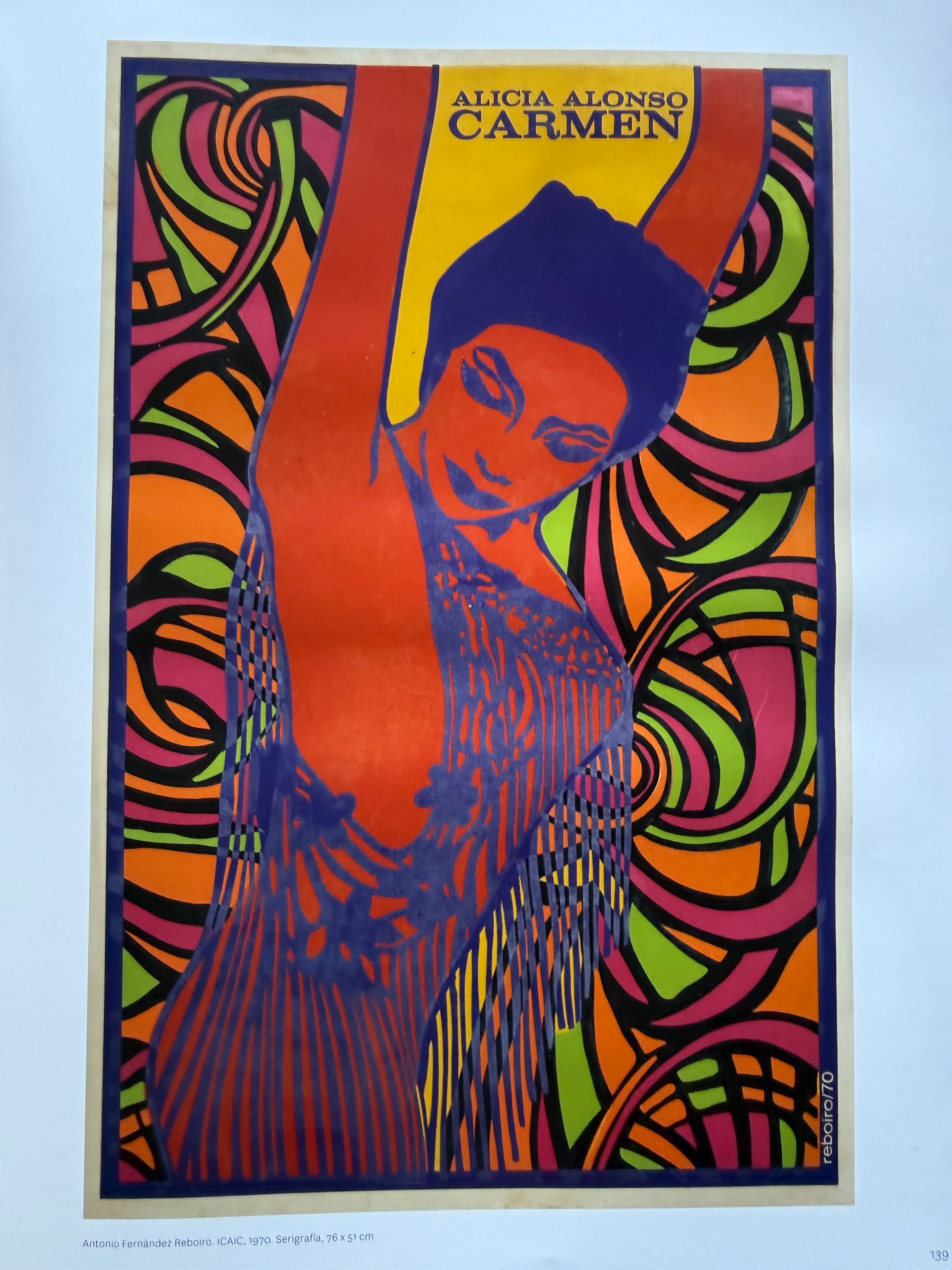
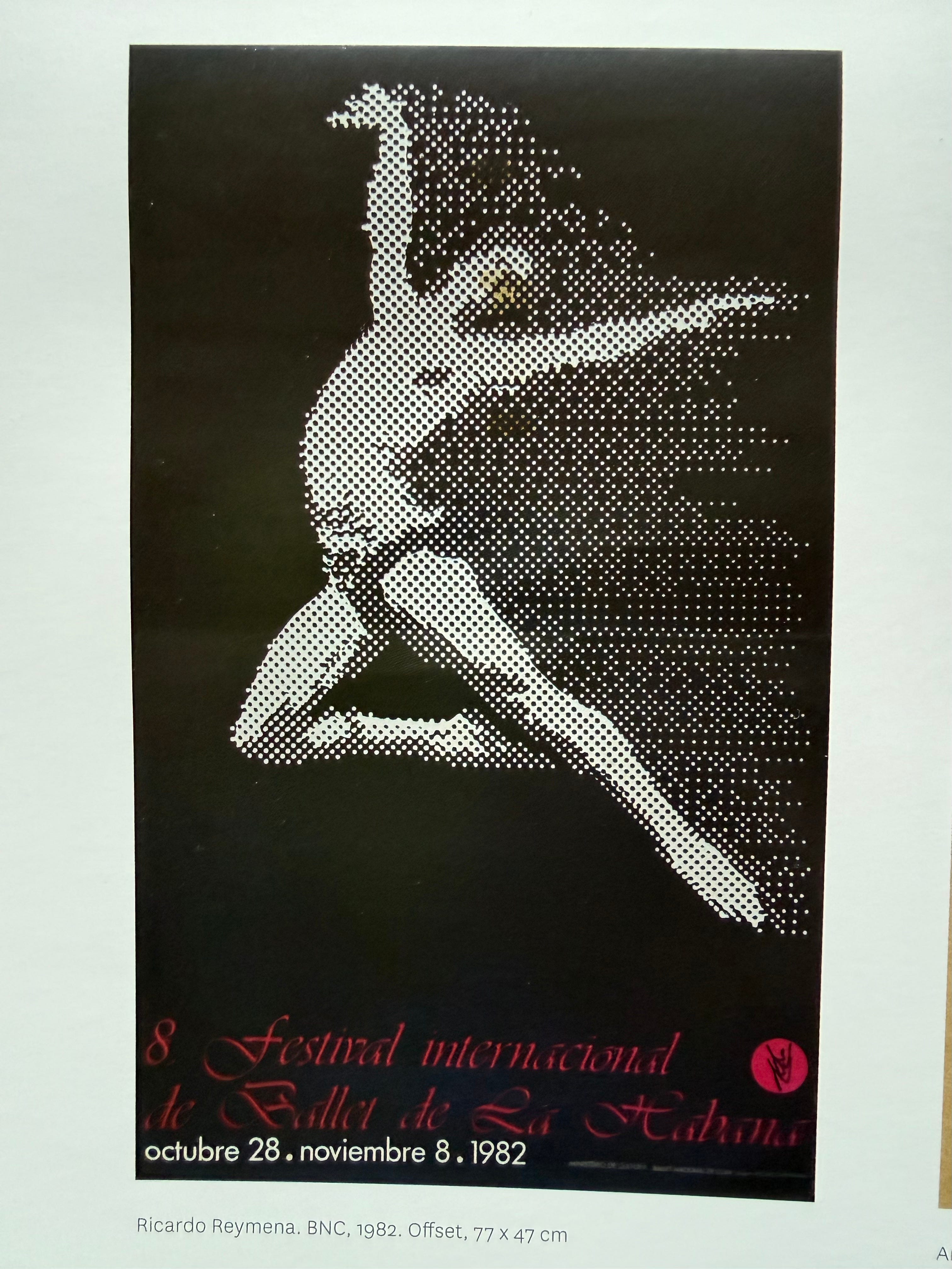
Carmen Suite is a one-act ballet created in 1967 by Cuban choreographer Alberto Alonso to music by Russian composer Rodion Shchedrin for his wife, prima ballerina assoluta Maya Plisetskaya. The ballet was championed by prima ballerina Alicia Alonso, who was married to Alberto’s brother Fernando Alonso.
Ballet has also, incongruously, figured large in Cuba’s reputation for dance. There was a logic to it:
“When Fidel Castro took control of Cuba in 1959, he committed to levelling the social structure and making the arts available to everyone. “The old government was out, and the new hope was coming for the arts and the ballet in Cuba,” recalled Margarita de Saá, former BNC ballerina. The coming of the Cuban Revolution marked the beginning of a new stage for the Cuban ballet. With state funding from Fidel Castro suddenly ballet became important to the country and its identity.”7
The National Ballet School grew quickly to 4000 students (the largest in the world) drawn from over 50,000 applicants. The selection process was a massive country-wide undertaking involving 35 teams of judges. Like all forms of education in Cuba, the ballet school was then, and is now, free. Selected graduates join the company of the National Ballet of Cuba or move to ballet companies around the world, particularly in America.
Literature
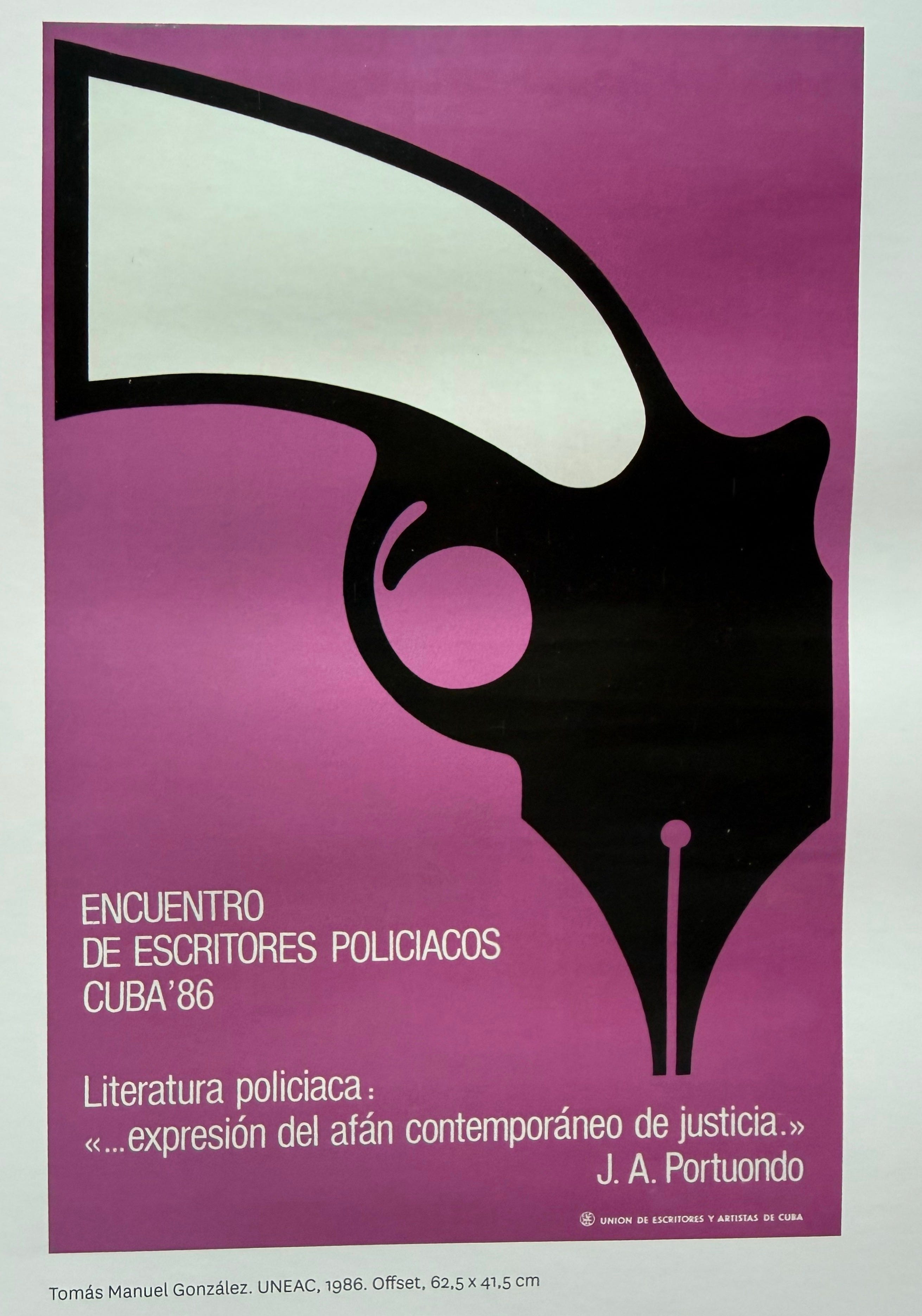
Creative writing is also, naturally, an important part of the cultural production supported by the Cuban revolutionary state.
Of all the arts, literature might be considered the most important in Cuba because of its ties to revolutionary thought and organization. The early revolutionary impulses of poet, writer, publisher and organizer, José Martí (1853-1895) continue to inspire the Cuban people.
In addition to a publishing, literary, and teaching career, Martí spent his time planning Cuba’s fight for independence from Spain. In 1892, he founded the Cuban Revolutionary Party. His work and efforts were crucial to the success of the Cuban War of Independence. He died during the Battle of Dos Ríos on May 19, 1895.8
Literary Festivals
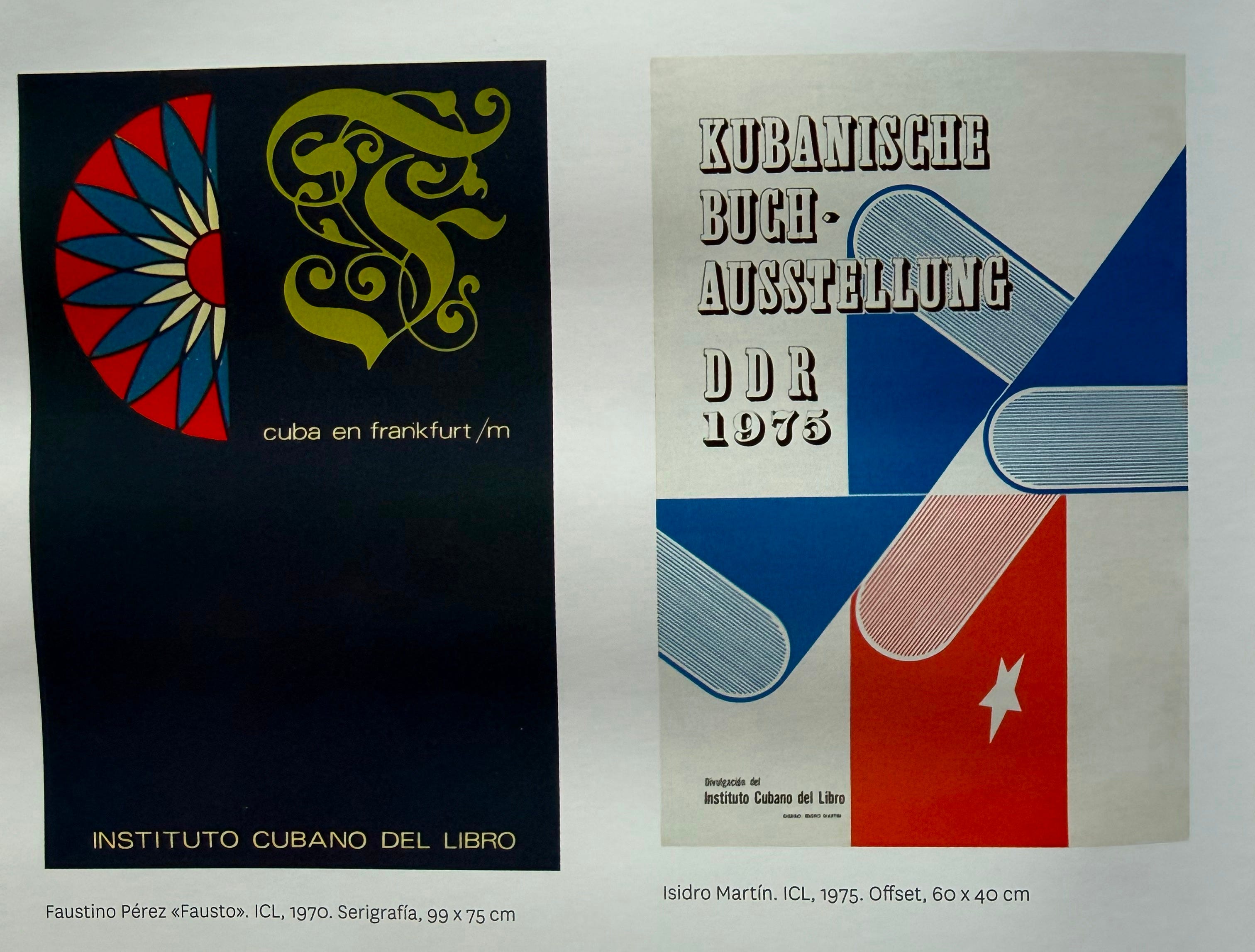
The ambition of the Cuban poster program was not merely internal or local to Cuba. There was a clear purpose to participate in the global cultural and political dialogue. Progressive poster design captured attention overseas and put the radical Cuban state agenda in the best possible light. Cuba hosted and participated in international events like the Frankfurt Book Fair.
There was no genre of literature too popular or populist to carry the revolutionary message:
For a sense of literature’s profound effect on political thought, there is no bettr example than the revered José Martí, who writes in one of his most celebrated poems, I Cultivate a White Rose:
I cultivate a white rose In July as in January For the sincere friend Who gives me his hand frankly And for the cruel person who tears out the heart with which I live, I cultivate neither nettles nor thorns: I cultivate a white rose[76]9
The importance of this poem lies in its veiled caution to both friend and foe: the gardener innocently grows the white rose, symbol of surrender and peace, for its beauty, but remember: pluck the rose at your peril for it comes with sharp thorns.
This is a good note with which to end today’s post, because in Part 5 of this series, I will look at Cuban posters promoting militancy around the world. The premise of every socialist/communist revolution has been violence. “The greater good” cannot be realized without taking the wealth of others and making it impossible for individuals to accumulate wealth. To this end, absolute ideological compliance is necessary.
Post-script: Cuban art after 1989 — a tolerance for dissonance and dissidence
The Soviet Union underwrote the Cuban revolution, heavily subsidizing the state through lopsided trade arrangements (e.g. above market Cuban sugar for below market Soviet oil). All that ended when the Soviet Union collapsed in 1991. Cuba suffered greatly for a decade, until it opened up, in limited ways, to foreign investment and individual entrepreneurship.
But as early as the 1980s the Cuban government began to “tolerate” progressive post-modernism in the visual arts, including works that were subtly critical of state dominance.
"A question of major importance in Cuban culture is the link between radical political and artistic positions…where culture carries a marked social edge attuned to the circumstances in which it is produced and where it is forced to construct a national identity in the face of colonial and neo-colonial powers."10
“In 1990 the Cuban government began programs to stimulate the tourist trade as a means of offsetting the loss of Soviet support. In 1992 the constitution was amended to allow and protect foreign-owned property, and in 1993 the US dollar was permitted to circulate legally. In 1994 a cabinet-level department was created, the Ministry of Tourism, to further enhance tourism, which is Cuba's largest source of income. The initial reaction of the artists, as well as the general population, was withdrawal; "Withdrawal from the public to the private…from the collective to the individual…from the epic to the mundane…from satire to metaphor...Withdrawal from controversy…withdrawal from confrontation". But it was the withdrawal from conceptual to figurative art that defined the change in painting. Due in large measure to the interest of tourists, art took on higher visibility, as well as returning to a more figurative mode of expression.”
“Global markets seem to like Cuban art with a dash of political irreverence.”
"Although freedom of expression is nonexistent in Cuba, a certain amount of dissonance can be tolerated for recognized artists, at the right time and the right place, which basically means occasionally, in officially sanctioned (and controlled) venues, with very little (if any) spillover in the media. This keeps everybody on his or her toes and creates tension that is useful for the state. The global market seems to like its Cuban art with a dash of political irreverence, though many great works of Cuban artists sold abroad feature no obvious Cuban, Caribbean, or Latin American style or content. Cuban artists are often masters of double entendre and detachment (parody, irony, sarcasm, and pastiche). The regime can afford to appear moderately open-minded since this kind of art is mostly inconsequential on the island. It can be censored when it appears to be crossing the line, perhaps leaving the artist free to present it abroad and to exhibit some other works at home."
The posters in this series are taken from the book El Cartel de la Revolución (Posters of the Revolution: Cuban Posters from 1959 to 1989). There are many fine collections of Cuban poster art online. Here are links to a few of them:
There are conflicting sides to “political art.” It is the proverbial double-edged sword.
First, there is the conflicted politics of the cause. When promoting a good cause (justice, fairness, equality), many people will jump on the bandwagon. Good intentions fuel a contagious hopefulness. On the other hand, not everyone will be convinced. Some will not be convinced; they will not want to change or to give up what they have, even if it is “for the greater good.” Others will bridle at pressure to comply with the collectivist ideology.
And then, there is the conflicted politics of the artwork. A political artwork may take the form of propaganda designed to show the ideological cause in the best possible light. Picture heroic workers marching into the new day. Alternatively, political art may choose to pillory the thing that it is being overthrown. So-called “critical art” rationalizes the need for change by showing the faults of the past, the status quo, implying that there is a better way.
Mosquera, Geraldo. The New Cuban Art: Post Modernism and Postsocialist Condition. Berkeley: University of California Press, 2003. 208–247, Print. Retrieved from Wikipedia, March 16, 2026.