

Cuba's Class Act, Part 3
Art in the service of "la revolución."

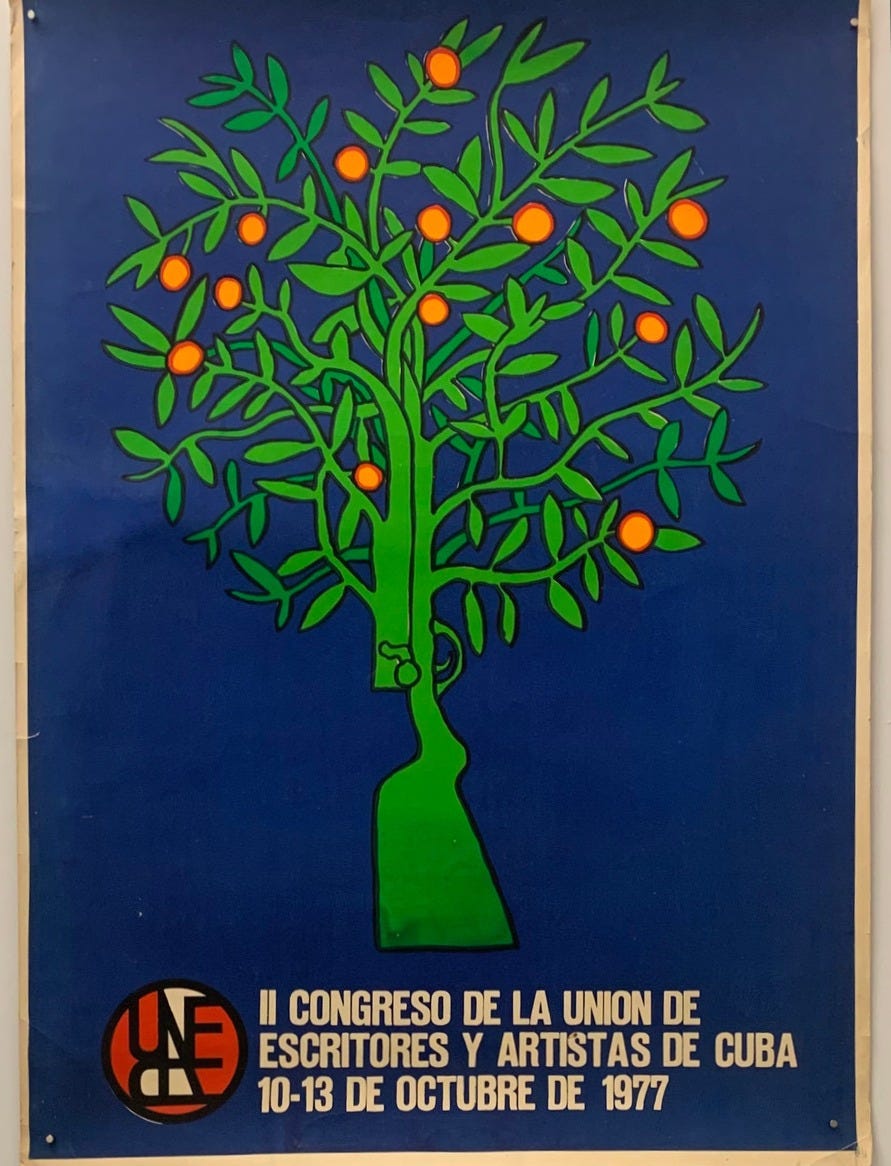
After the Cuban revolution in 1959, severe restrictions were imposed to protect the socialist ideals of the revolution. Some artists and intellectuals naturally left the country, disagreeing with the principles of socialism, fearing censorship or worse. Their worst fears would be confirmed by 1961, when certain artworks were censored, and systems of editorial control were firmly established.
However, although government policies narrowed artistic expression, they also expanded it through education and subsidies. The prevailing principles of European modernism: that the arts should be led by elite trained intellectuals/artists — a vanguard — was supplanted by a more populist and inclusive support system: the arts were “democratized” — more people could participate, and the style of art became more accessible. To some people, this kind of popular and populist art was mere propaganda, but in many respects, poster design was much better than that.
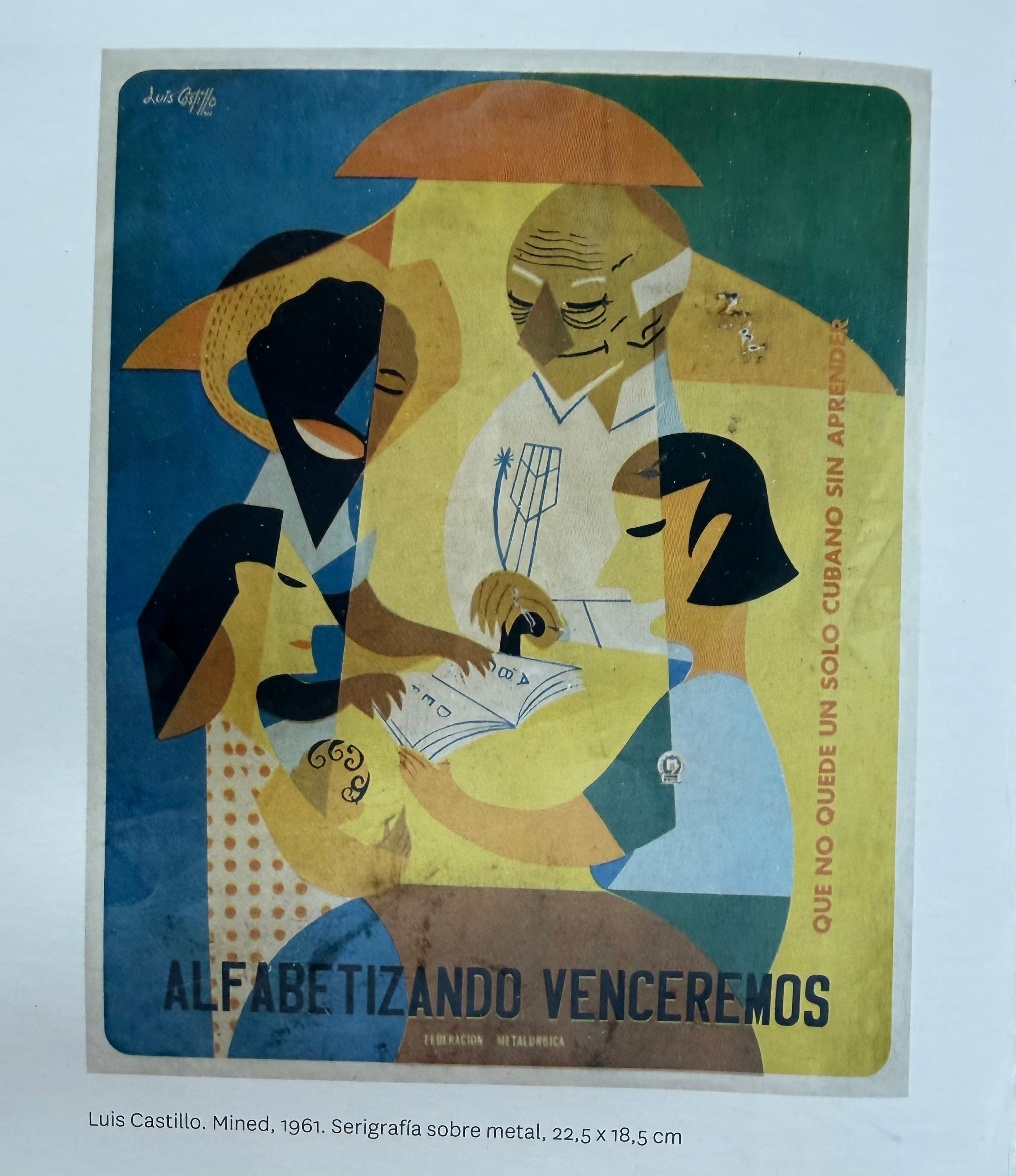
As you will see here, Cuban graphic artists were inspired by the most contemporary design work of the 1950s and 60s. The modernist (semi-cubist) styles of the 50s morphed into pop art and then embraced the international trend in the 70s toward what is sometimes called “typographic functionalism” or the Swiss Style.
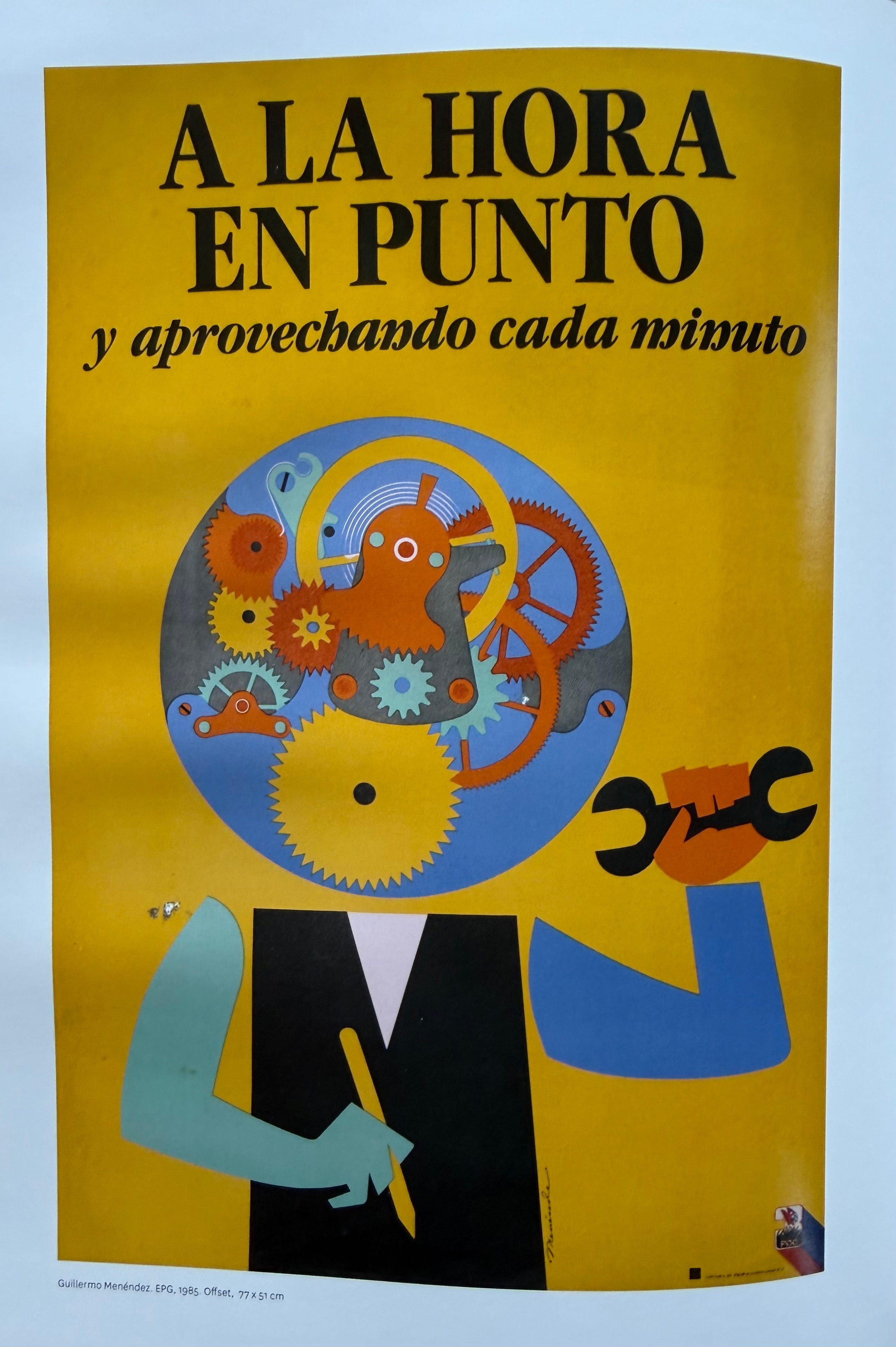
Government agencies such as the Commission of Revolutionary Orientation (COR) and OSPAAAL1 began systematically producing posters promoting the many things the revolution promised in the areas of literacy, education, folk music, film, art, the labour movement, and health.
For sure, the posters were “didactic,” designed like lessons, to show what a full, rewarding, national culture would look like, but Cuban poster design in the 1960s and 70s was and is exceptional in design — inventive, conceptual, sophisticated — comparable to anything in New York, Paris or London. Artists such as Rene Mederos, Raul Martinez, Alfredo Rostgaard, and Félix Beltran were creating vivid, powerful, and highly distinctive works that had a global influence.
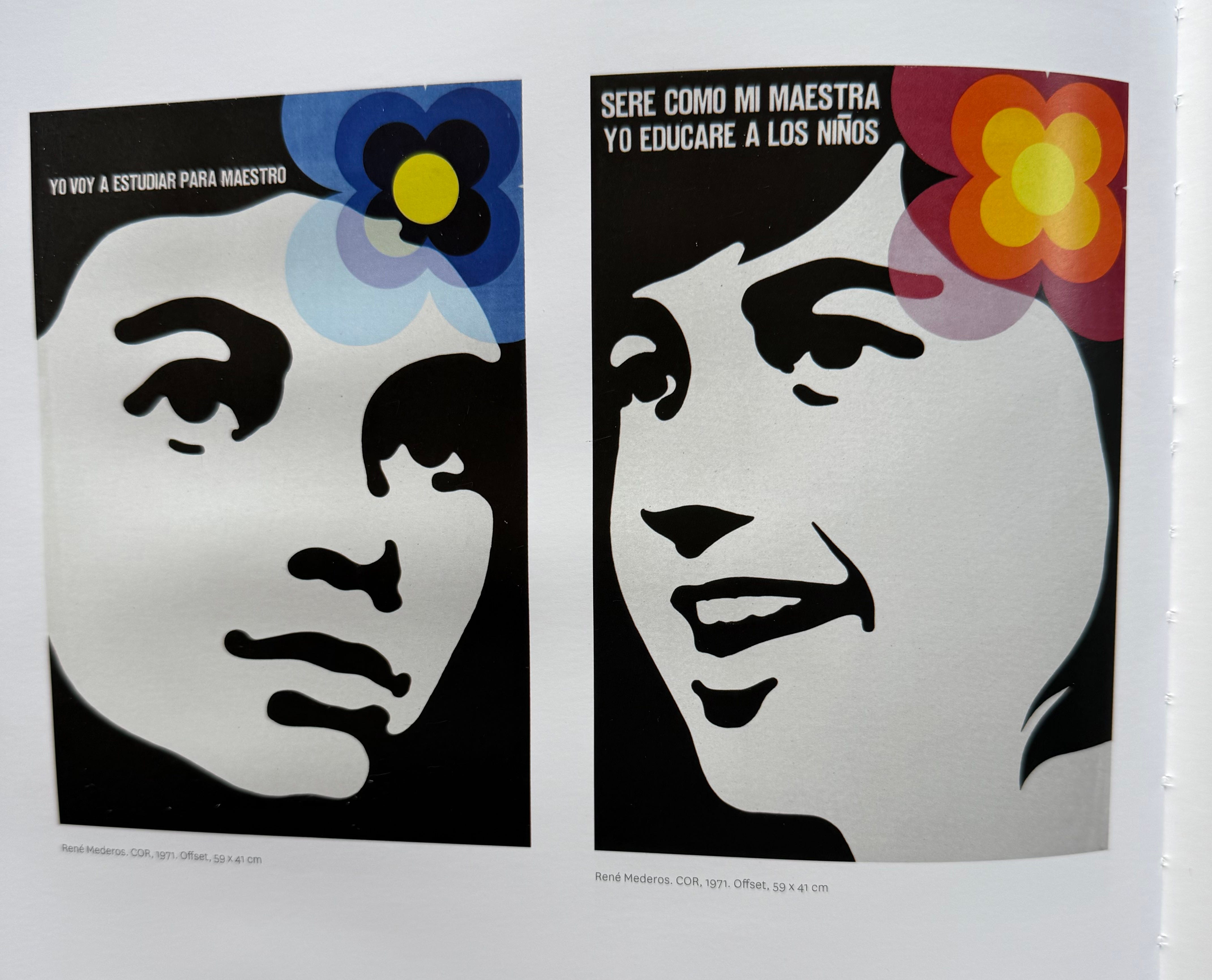
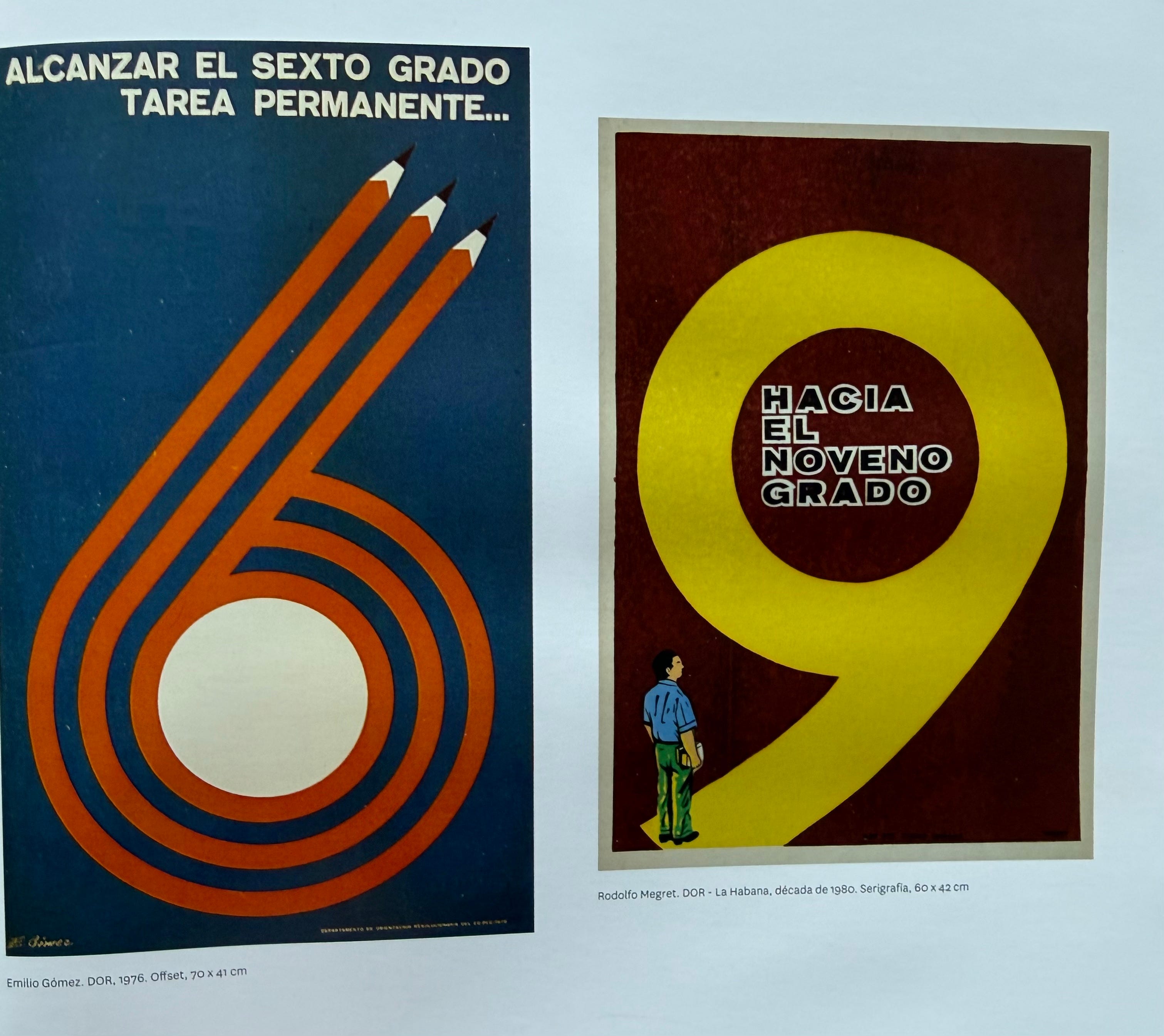
Literacy
The revolutionary project to build the independence of the Cuban people required the radical reformation of institutions. The Cuban government supported systematic campaigns for literacy. They vigorously encouraged people to value and aspire to become teachers, doctors, artists or tradesmen.
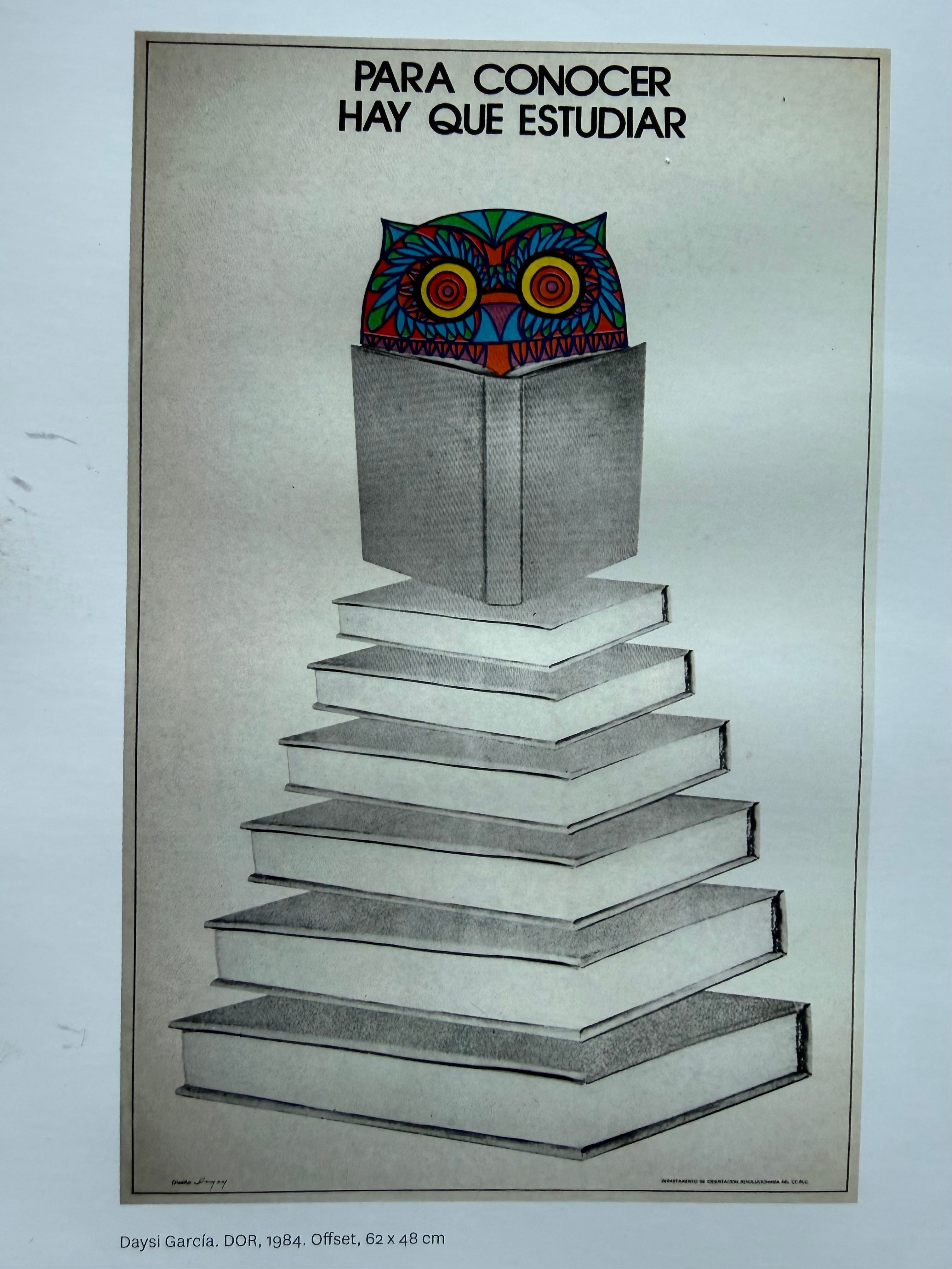
Health
The Cuban government’s programmatic support for art focused on public welfare campaigns. In advertising lingo, they were like PSAs (public service announcements), the kind we see on buses, in subways or in hospitals. But, whereas PSAs in the US or Canada are often produced pro bono, that is, “for a good cause,” the Cuban government paid the artists and paid for production. No profit needed to be made from the work itself because it was not part of a competitive, commercial system. Nothing was being “advertised.” Art did not need to be propped up by wealthy patrons or art collectors. Art was literally lifting the nation up. Posters and new media, such as city billboards, were the preferred vehicles to reach the people with messages that were vital to improving Cuban society.
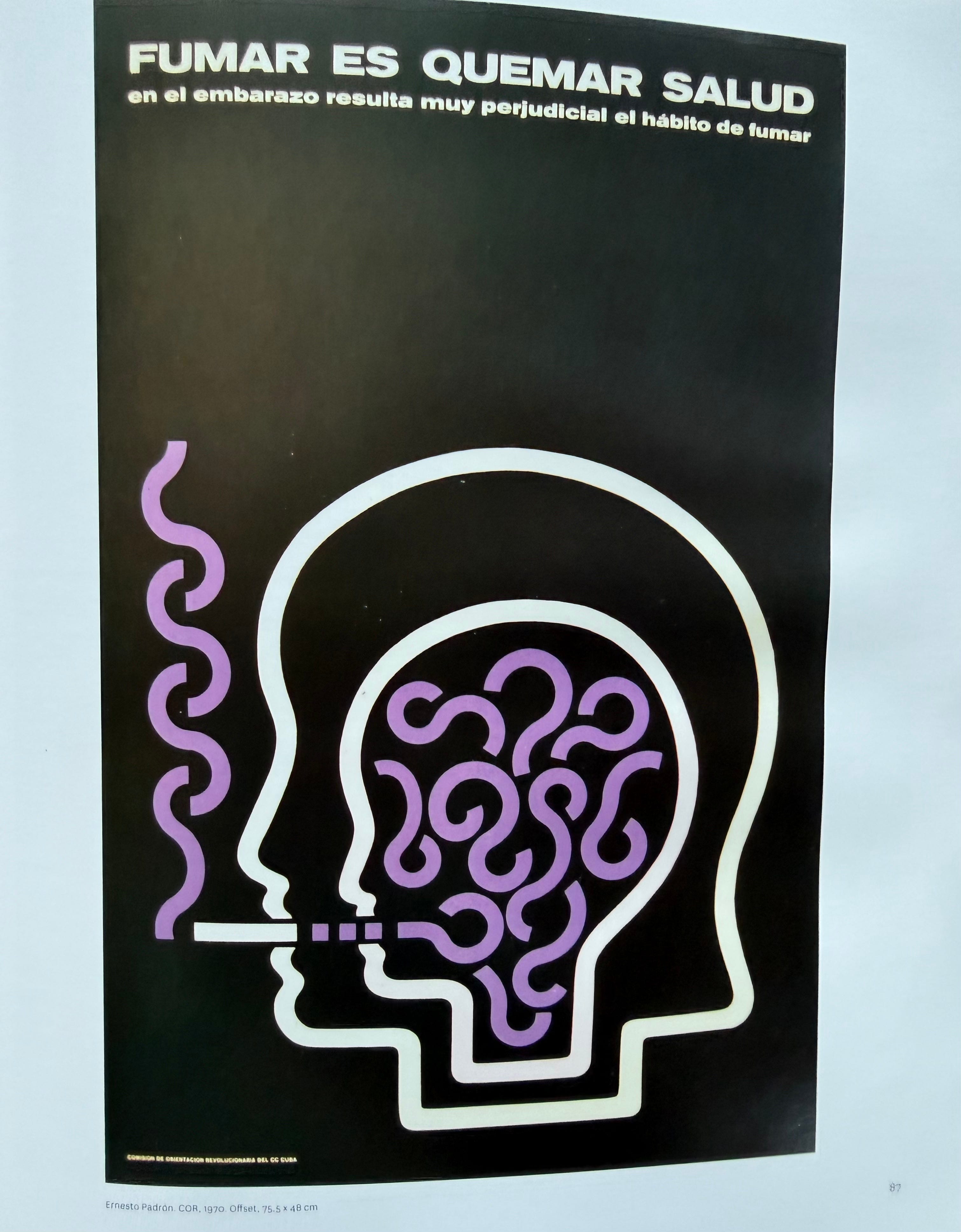
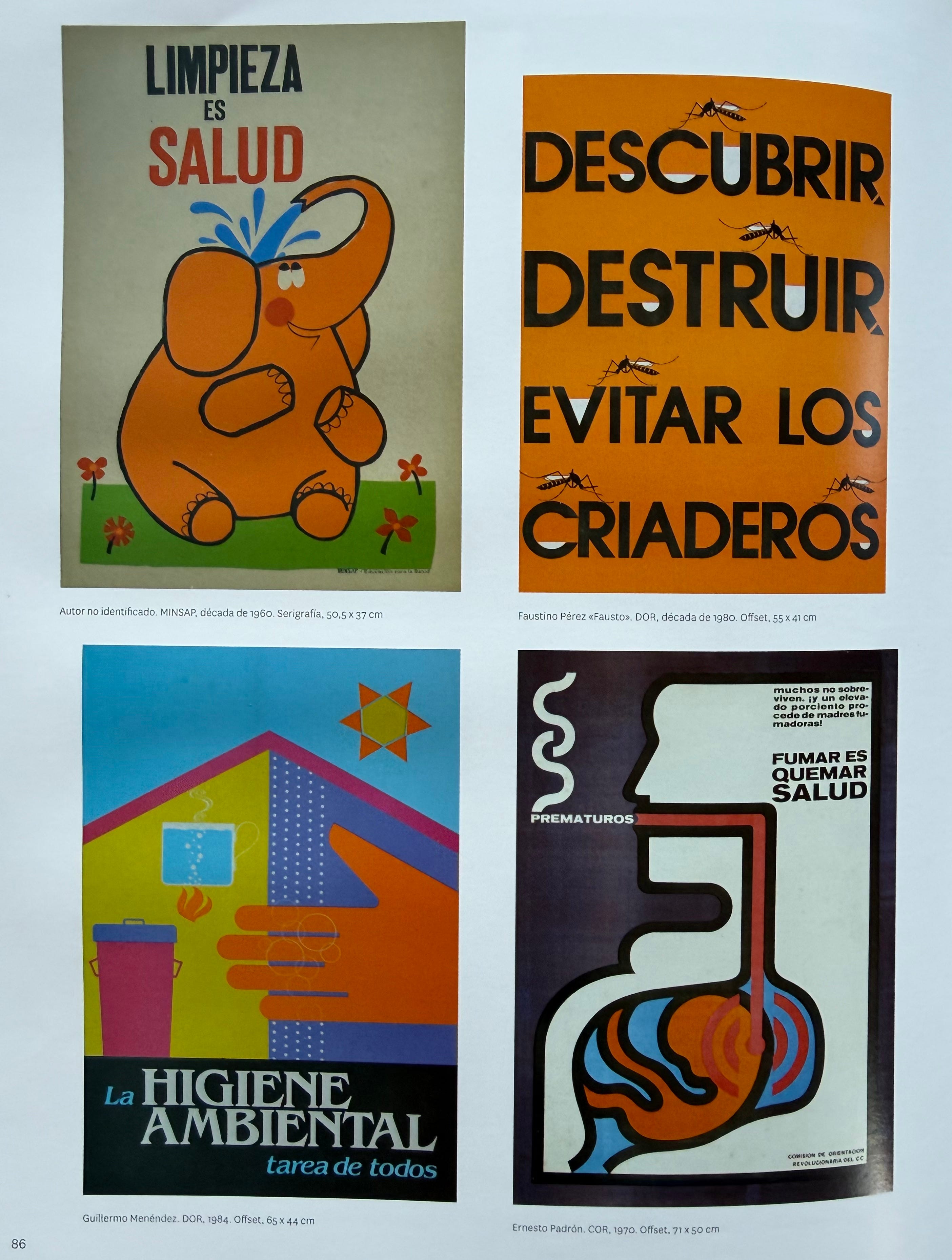
A National Arts School was established in 1961. Cultural production was organized around collectives: DOR, EPG, MINSAP, COR, Mined. Each of the posters shown here is attributed to the collective that produced them. The content of many posters was supervised by a collective of editors, Editoria Politica (EP).2
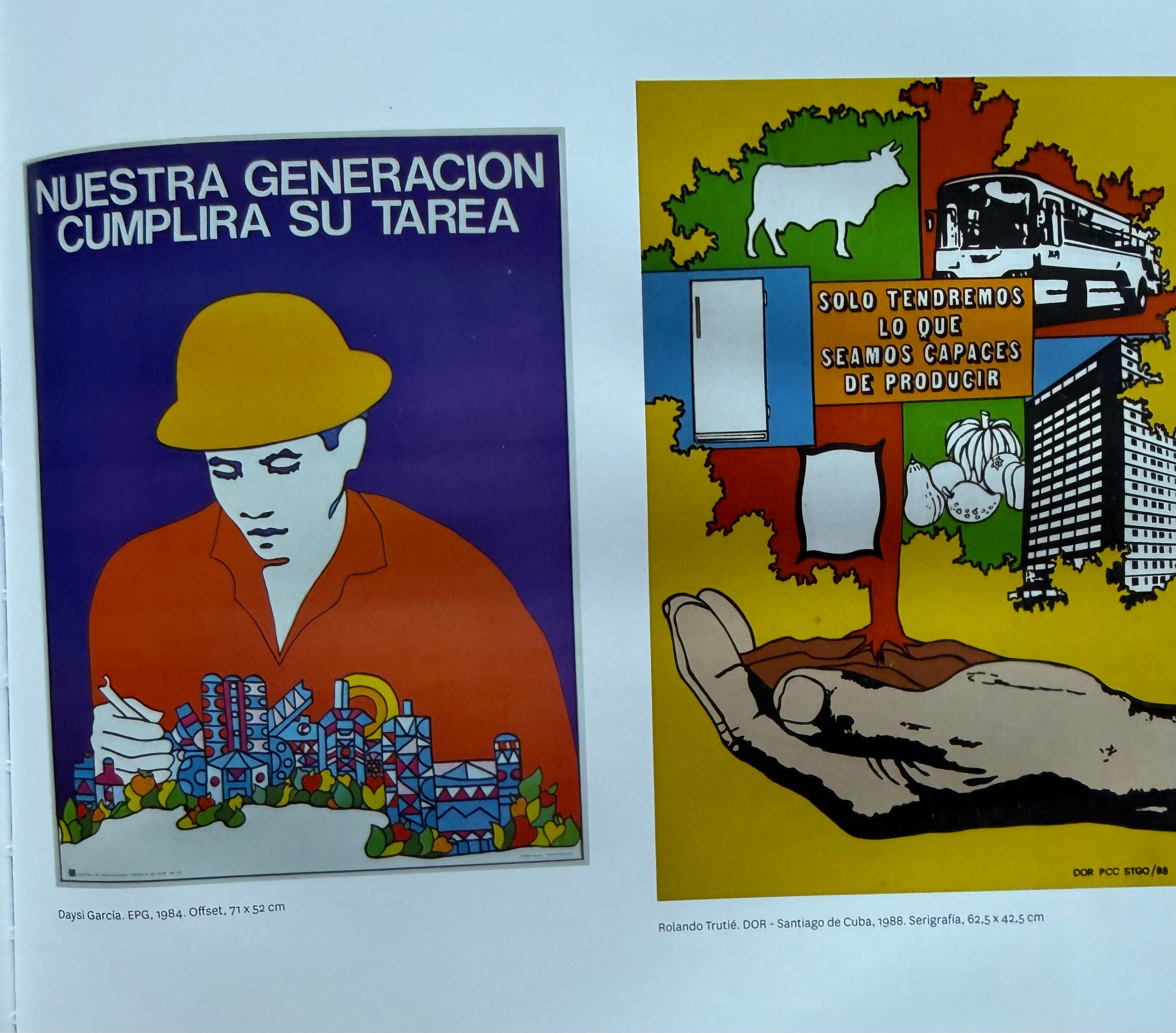
Labour
As industries were nationalized and corporations fled Cuba, there was no “employer” as such for independent labour unions to negotiate with. The labour movement was restructured into the state-controlled Workers' Central Union of Cuba (CTC), which, like all organizations, was aligned directly with the Communist Party. Its purpose was to implement state production plans, improve conditions and employment benefits for workers.
Like the cultural collectives, the centralization of authority appears to have had no mechanism for complaints, to counter abuse, bias or unfairness in the workplace. This is, of course, one of the primary defects and criticisms of socialism.
The elephant in the classroom
I am not trying to skirt the oppressive aspect of collectivized cultural production here, or minimize the horrors of imprisonment, torture or worse suffered by dissident critics of the regime in the aftermath of the Revolution.
Here’s what Wikipedia (which is, as you know, my information Bible) says about “censorship in Cuba:”
The Cuban Constitution of 1976 guaranteed religious freedom and freedom of conscience (articles 8 and 55), freedom and full dignity of man (article 9), freedom of speech and the press (article 53), and the rights of assembly, demonstration, and association (article 54). However, freedom of speech and the press must be exercised in accordance with the aims of socialist society and none of the freedoms granted to citizens can be exercised against the provisions of the Constitution and laws, nor against the existence and objectives of the socialist state, or against the decision of the Cuban people to build socialism and communism (article 62). - on Wikipedia (emphasis added)
In a previous post in this series, I referred to Fidel Castro’s famous 1961 speech “Word to the Intellectuals” in which he said:
This means that within the Revolution, everything goes; against the Revolution, nothing. Nothing against the Revolution, because the Revolution has its rights also, and the first right of the Revolution is the right to exist, and no one can stand against the right of the Revolution to be and to exist, No one can rightfully claim a right against the Revolution. Since it takes in the interests of the people and signifies the interests of the entire nation. - Wikipedia on the P.M. affair
What Castro said there (and which strikes a chord for me, intuitively) is this: if the revolution you want required violence — that you had to fight for it or it would not have happened — then you cannot expect the fighting to end with the military victory. That is only the beginning. Radical, revolutionary change does not happen “organically,” as we post-enlightenment liberals like to think. It must be coaxed, prodded and pushed into place. How vigorously or violently depends on many things, but difficult goals have historically entailed difficult methods. And also, historically, the means do not discount the ends.
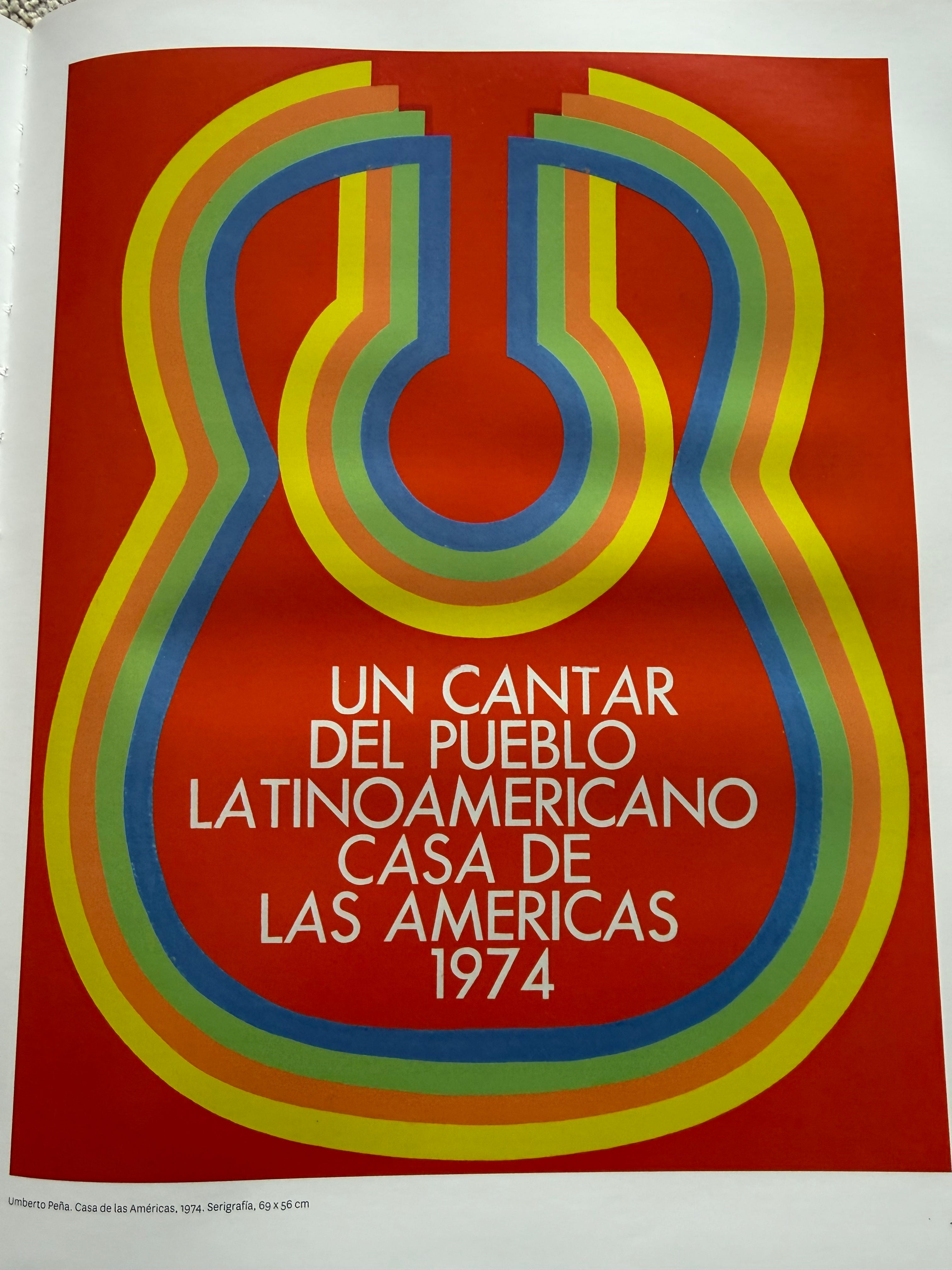
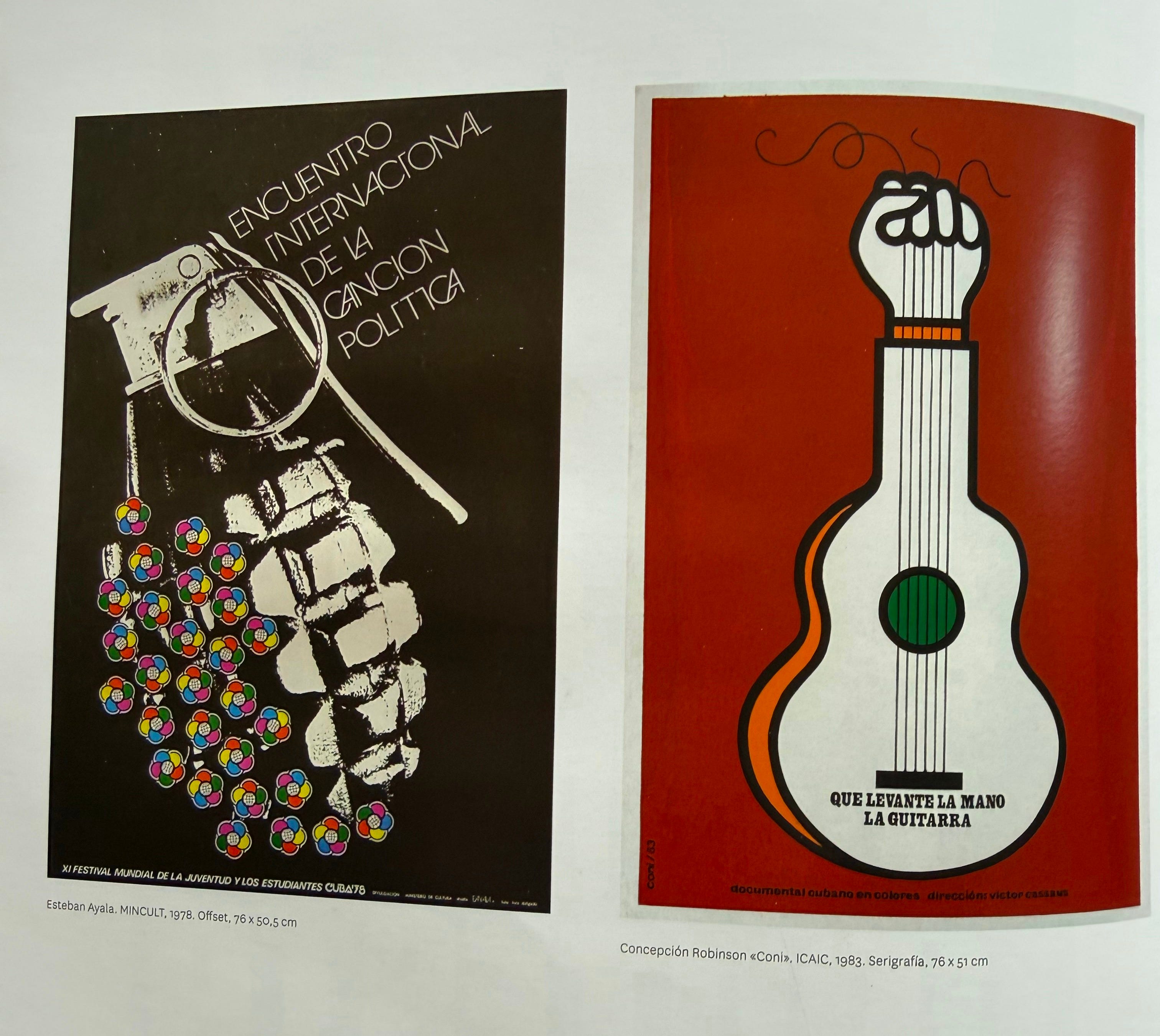
Songs of tradition and protest
In Western countries like Canada and the US, traditional and folk music came to symbolize the left half of the political spectrum in the late 20th century. There are good reasons for this: folk and traditional songs are often frank about the human condition with all its suffering. Honest exposure of adversity and injustice promotes social change. People come together around song, so some songs become rallying cries. Music can be a way for workers, activists, and marginalized communities to express dissatisfaction, raise awareness, and mobilize action.
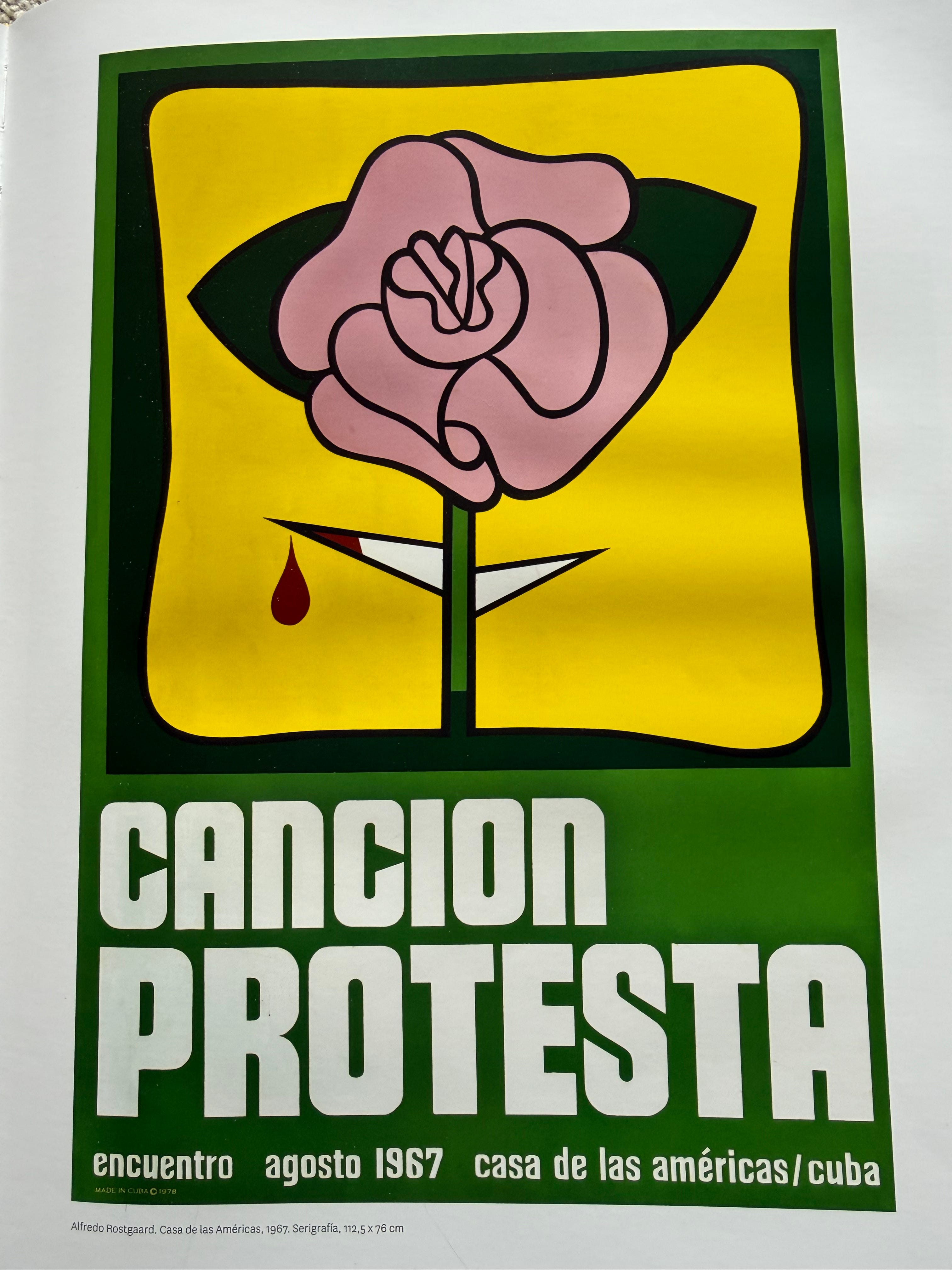
The Cuban revolutionary government enthusiastically embraced traditional, folk or “campesino” music, as well as overtly political, protest music, sponsoring national and international festivals in all cultural disciplines. Music, dance and theatre served as a way to connect Cuba with revolutionary movements in Latin America and around the world.
The plight of the political artist
It is difficult today to imagine oneself in the position of a Cuban artist in 1961. The country had just been “liberated,” at the cost of many Cuban lives. Many, if not most, Cubans, felt it was their revolution. Just as the campesinos had supported Castro’s guerrillas in the mountains, Cubans trusted that their own lives were valued and would be improved.
American corporations that had been sucking the riches out of Cuba, keeping Cubans in their place as field workers, gardeners and drivers, and the mafia that grew fat off gambling and prostitution, were gone, virtually overnight, at the point of a gun if necessary.
The new government promised a future made by Cubans, for Cubans. And not only promised. Poster art showed how the new state was organizing and building, and coached the Cuban people in how to contribute. It had to have been an exciting time for artists who so often think of their work in terms of improving our quality of life, edification or “raising up.”
But it is also not hard to imagine how some Cuban artists, trained abroad in the elite “beaux arts” traditions, and seeing themselves in the context of global art movements like cubism and futurism, abstract expressionism and pop art, would have bridled at the idea of making art literally “for the people.” Of those, the more intellectual would have perforce resisted the very idea that their work should be “edited” by outsiders, let alone by committee.
Of course, such concerns were legitimate then, just as they are now. No one who makes things likes interference in their process, particularly where critical judgments may lead to the suppression of individual expression. Castro had been very clear: nothing against the revolution. Submit to our process, or else.
And yet, we see in these Cuban posters so much vitality and contemporaneity that it is impossible not to appreciate the talented artists who chose to stick with the revolution, who felt part of it and proud to be part of a new kind of avant-garde, not just a cultural revolution, but an actual social and political one.
Revolution then and now
Today’s “progressive” artists, who have wholeheartedly embraced identity politics and critical colonial theory, who regard every form of institution as a tangle of power relations, might well think of Cuba in the two decades after 1959 as a dream come true.
Shockingly (to me at least), the liberal left in America, instead of surging forward to support the Cuban project, has been virtually silent. Where are the campus protests? The marches in D.C., Minneapolis, Portland or New York? Where are the flags?
With Cuba, we have the same non-reaction as we see with Iran and Venezuela. Is it just too hard to defend communism in America? Or too dangerous?
Maybe the situation in Cuba is not about communism. What Cuba is facing is not an “existential crisis,” as the media so glibly categorizes virtually everything these days. It is not ideology that is at stake. As we are learning about the current US Administration, there is no plan: they are not about to “stage a coup,” using the CIA covertly to install a puppet dictator, the way they would have a short 20 or 30 years ago. Neither is there a grassroots opposition with the will or capacity to take over the government.
So what we are left with is a politically meaningless embargo that is destroying people’s ability to survive, with no foreseeable relief.
Next time, more posters!
Next time, we’ll look at more posters of “la revolución,” in the areas of film, literary and other festivals, carnival, dance, museums and theatre, and continue this discussion about what it means for artists to work expressly for and within the cause of social change.
Following that, we’ll wrap up the series with examples of political posters celebrating the Cuban Revolution and supporting revolutionary movements in South and Central America, Africa and around the world, with some reflections about the viability of socialism in the face of global neo-liberalism.3
Until then, viva Cuba!
-Robertito
The Organization of Solidarity of the Peoples of Asia, Africa and Latin America (OSPAAAL), is a Cuban political movement with the stated purpose of fighting globalization, imperialism, neoliberalism and defending human rights.
MINSAP (Ministerio de Salud Pública): The Ministry of Public Health, responsible for national health services, including primary care and family medicine programs.
MINED (Ministerio de Educación): The Ministry of Education, responsible for national education, often collaborating with organizations like the Pedagogues Association.
DOR (Departamento de Orientación Revolucionaria): Department of Revolutionary Orientation. A key state body responsible for propaganda, ideology, and the publication of political posters during the 1970s and 80s.
COR (Comisión de Orientación Revolucionaria): Commission for Revolutionary Orientation. An earlier propaganda arm, similar to the DOR, that produced posters and ideological materials.
EPG (Ediciones Politicas Generales): A publishing arm often associated with political, educational, and ideological materials in Cub a.
APC (Asociación de Pedagogos de Cuba): The Association of Cuban Pedagogues. A non-governmental organization working on education, including workshops with schools and community leaders.
All posters reproduced here are taken from the book El Cartel de la Revolutión, Posters of the Revolution, Cuban Posters from 1959 to 1989 — posters from the collection of Damián Viñuela and José A. Menéndez (Pepe), published by Éditiones Polymita S.A., 2017.